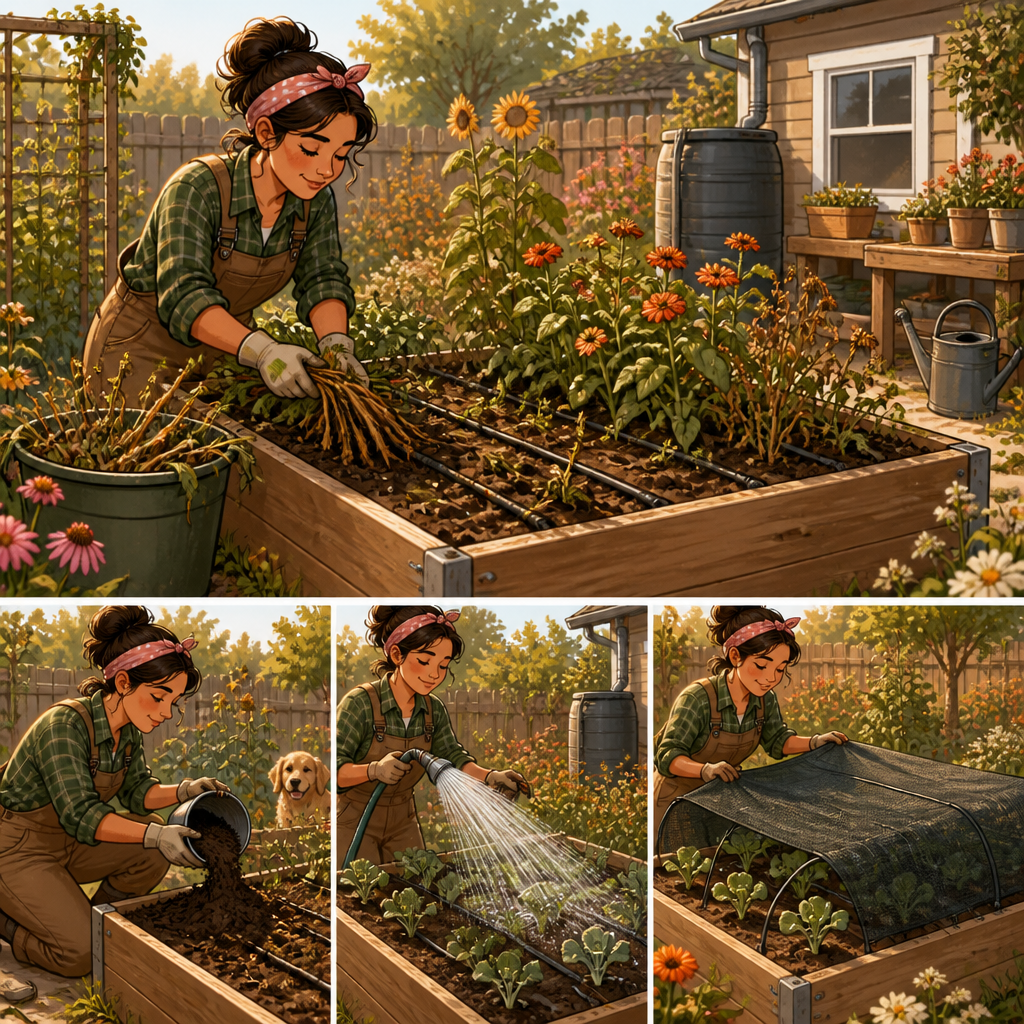
Late Summer Is a Second Chance, Not a Guarantee
By late summer, a raised bed can look tired. The lettuce bolted, the peas are long gone, and a few plants may be hanging on mostly out of stubbornness. That does not mean the bed is done for the year.
In Zone 5B, late-summer planting can be worth it if you keep your expectations realistic. Quick crops like radishes, lettuce, spinach, kale, bush beans, and some herbs may still fit, depending on your first frost date, current heat, and how much attention you can give the bed during dry spells.
The goal is simple: clear what is finished, refresh the soil without overdoing it, water deeply before planting, and protect tender seedlings from hot sun while they get started.
The Quick Raised Bed Reset
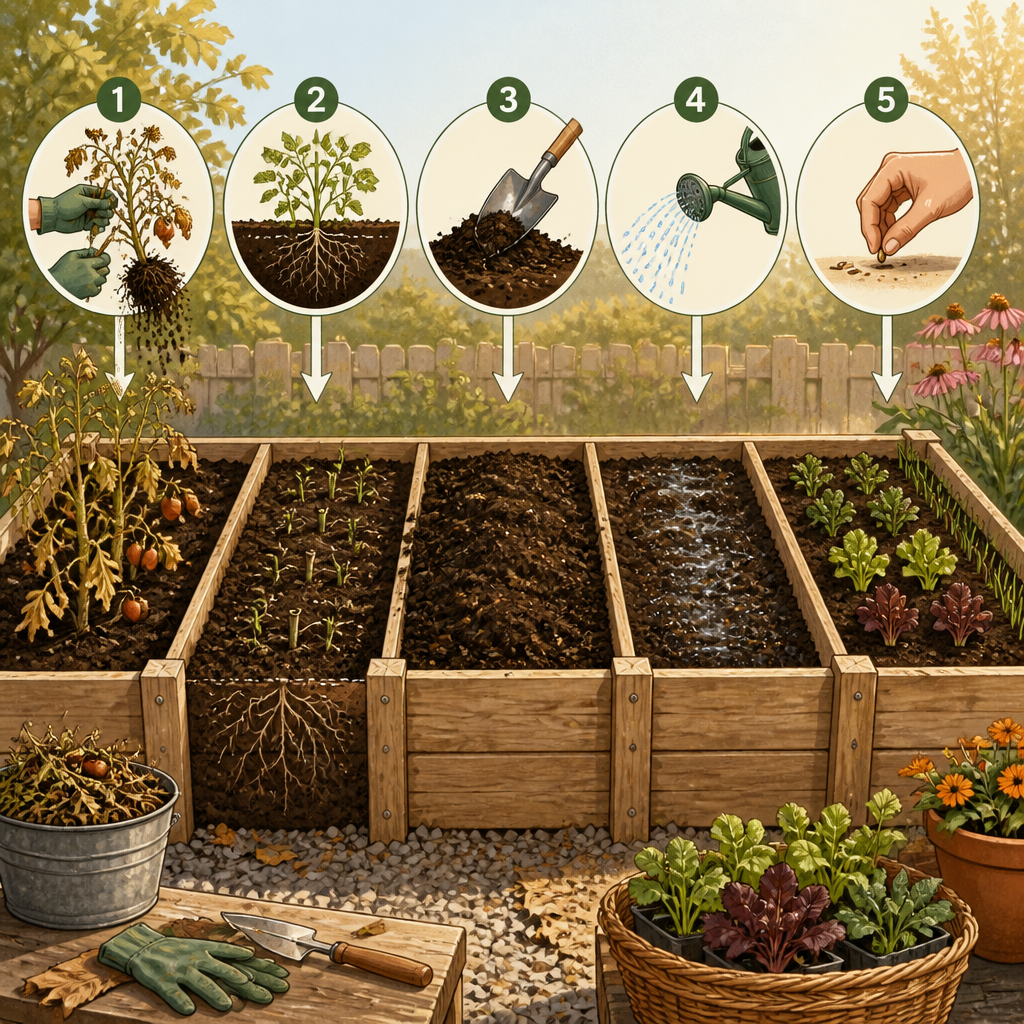
If you only have an afternoon, do this basic reset before you plant again:Pull spent or diseased plants. Remove anything that is clearly finished, pest-ridden, or showing disease problems.Leave useful roots when it makes sense. Healthy roots from peas, beans, lettuce, spinach, and other soft annuals can be cut at soil level and left to break down.Chop and drop clean plant material. Small, healthy leaves and stems can become light organic matter on the bed surface or go to the compost pile.Add a modest layer of compost. Usually a light topping is enough. You are refreshing the bed, not rebuilding it from scratch.Water deeply before sowing or transplanting. Dry raised beds can repel water at first, so soak them before seeds go in.Plant crops with enough time left. Check days to maturity against your likely first frost, then add a little buffer for cooler, shorter days.Mulch or shade if it is still hot. Young seedlings need help when the soil is hot and the sun is sharp.
Clear Out Spent Plants Without Stripping the Bed Bare
Start by walking the bed slowly. Not every old plant needs the same treatment.Remove plants that can cause troublePull and remove plants that are badly diseased, covered with pests, rotting, or producing weeds and seeds you do not want to spread. If a plant looks questionable, do not work it back into the bed. Put it in the trash or municipal yard waste according to your local rules instead of adding it to a home compost pile.Cut healthy plants at soil level when helpfulIf an annual plant is healthy but finished, you can often cut it at the soil line and leave the roots in place. This works well for soft-rooted crops like peas, beans, lettuce, spinach, cilantro, and some other herbs. The roots help hold soil structure and will slowly break down underground.
This is not a rule you have to follow every time. If roots are woody, tangled, diseased, or in the way of planting, remove them. Practical gardening is allowed to be practical.Use clean organic matter lightlyHealthy leaves and soft stems can be chopped into small pieces and used as a thin surface layer or added to the compost pile. Keep it light. A raised bed that is already warm and busy does not need to be buried under a thick mat of green material right before you sow tiny seeds.
Refresh the Soil, But Do Not Overfeed It
After a spring and summer crop, raised bed soil often needs a little help. It may be low in organic matter, crusted on top, compacted from watering, or simply dry.
A good late-summer refresh is usually gentle:Loosen only the top few inches with a hand fork or cultivator if the surface is crusted.Add compost as a top-dressing, often about a half inch to one inch for a bed that is already in decent shape.Use up to two inches only if the bed is clearly tired and the compost is finished, mellow, and not hot or smelly.Avoid heavy fertilizer by default. Fast leafy crops may appreciate steady fertility, but too much nitrogen can push soft growth, waste money, or create imbalance.If your bed struggled all summer, compost may not be the whole answer. Soil that stays waterlogged, dries out too fast, or produces weak plants year after year may need a soil test, better watering habits, or a deeper rebuild later in the season.
Water Deeply Before You Plant
Late-summer raised beds can look fine on top and still be dry several inches down. Seeds need even moisture to sprout, and transplants do not have much root system yet. Do the deep watering before planting so you are not trying to rescue dry soil afterward.
Here is a simple way to check:Water the bed slowly until the surface is evenly moist.Wait 10 to 15 minutes so the water can settle in.Push a finger or trowel a few inches into the soil.If it is still dusty or dry below the surface, water again.After planting, switch to gentler watering. Tiny seeds can wash away under a hard blast. A watering can with a rose, a soft hose setting, or drip irrigation works better.
For the first week or two, check the bed often. In hot weather, shallow seed rows may need light watering more than once a day, while deeper soil should still be watered less often but more thoroughly.
Choose Crops That Have a Fair Chance Before Frost
Late-summer planting works best when you stop asking, “What do I wish I had planted?” and start asking, “What can realistically mature from here?”
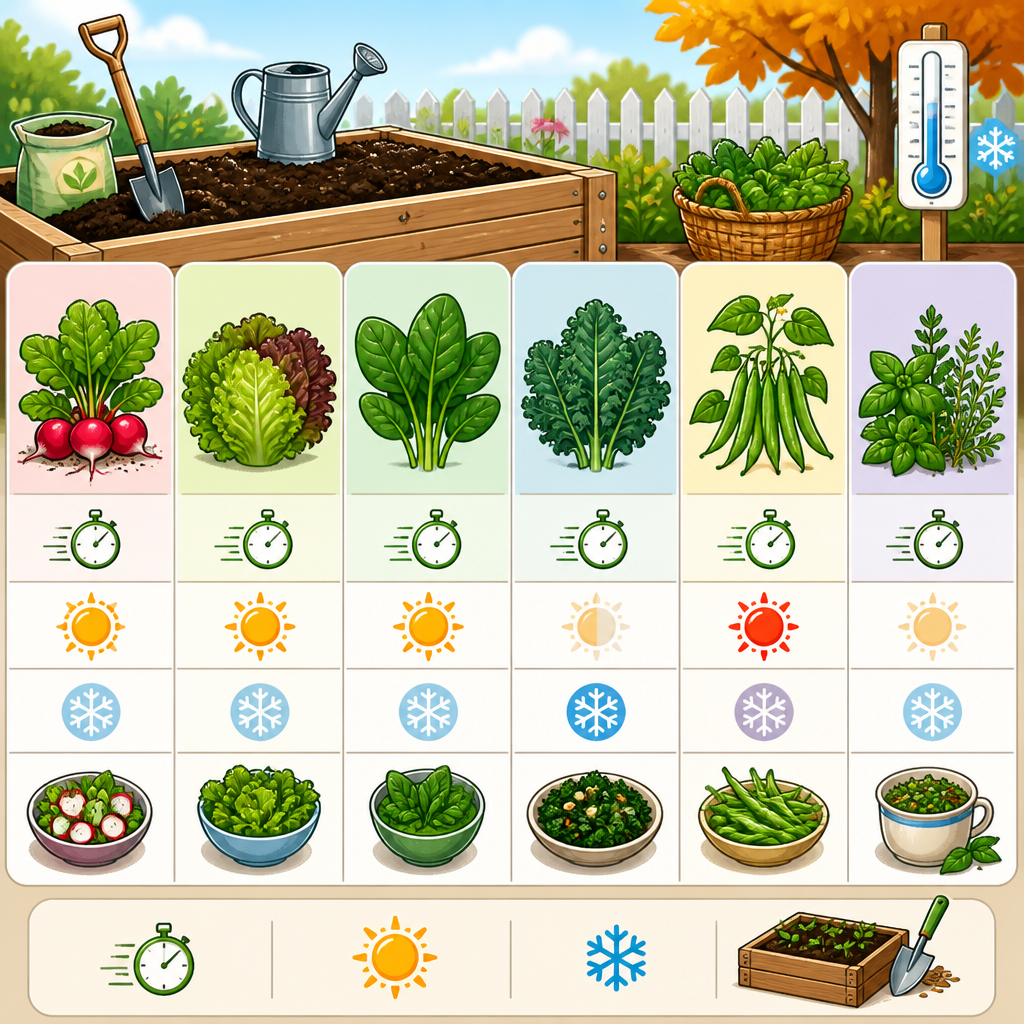
In many Zone 5B gardens, the first fall frost may land sometime in October, but local frost dates vary a lot by elevation, wind, slope, town, and even yard. Check your local average first frost date, then compare it with the days to maturity on the seed packet. Add extra time because plants grow more slowly as days shorten.Often worth tryingRadishes: One of the fastest options. Keep them evenly watered so they do not turn woody or painfully hot.Lettuce: Better once nights cool down. Start in partial shade or use shade cloth if the weather is still hot.Spinach: Can be fussy in heat, but it is useful for fall if you can keep seed rows cool and moist.Kale: Slower than radishes or lettuce, but hardy enough to be useful into chilly weather in many gardens.Bush beans: Worth planting only if you still have enough warm, frost-free time. Choose quick varieties and accept that an early frost can end the crop.Herbs: Cilantro, dill, parsley, and basil can be useful, but they have different needs. Basil hates cold; cilantro prefers cooling weather.Be honest about timingIf you are close to frost, aim for baby greens, radishes, and small harvests instead of full-size crops. A late planting does not have to be perfect to be worthwhile. A few salads, a bundle of herbs, or a row of kale for fall soups still counts.
Plant Seeds and Transplants for Hot-Weather Starts
Late-summer planting has one awkward problem: many fall crops prefer cool weather, but they have to germinate while the garden is still hot. A few small adjustments help.For direct-sown seedsSow a little thicker than spring if germination is uncertain, then thin later.Plant at the depth listed on the packet, not deeper just because it is hot.Press soil gently over the seed so there is good contact.Keep the seed row evenly moist until sprouts are established.For transplantsPlant in the evening or on a cloudy day if possible.Water the transplant before and after planting.Shade new starts for a few days during hot afternoons.Do not bury stems deeply unless that crop is known to tolerate it.If your soil temperature is very hot, lettuce and spinach may germinate poorly. You can start a small tray in a cooler protected spot, then transplant carefully once the seedlings are sturdy enough to handle.
Protect Young Plants From Heat, Dry Spells, and Pests
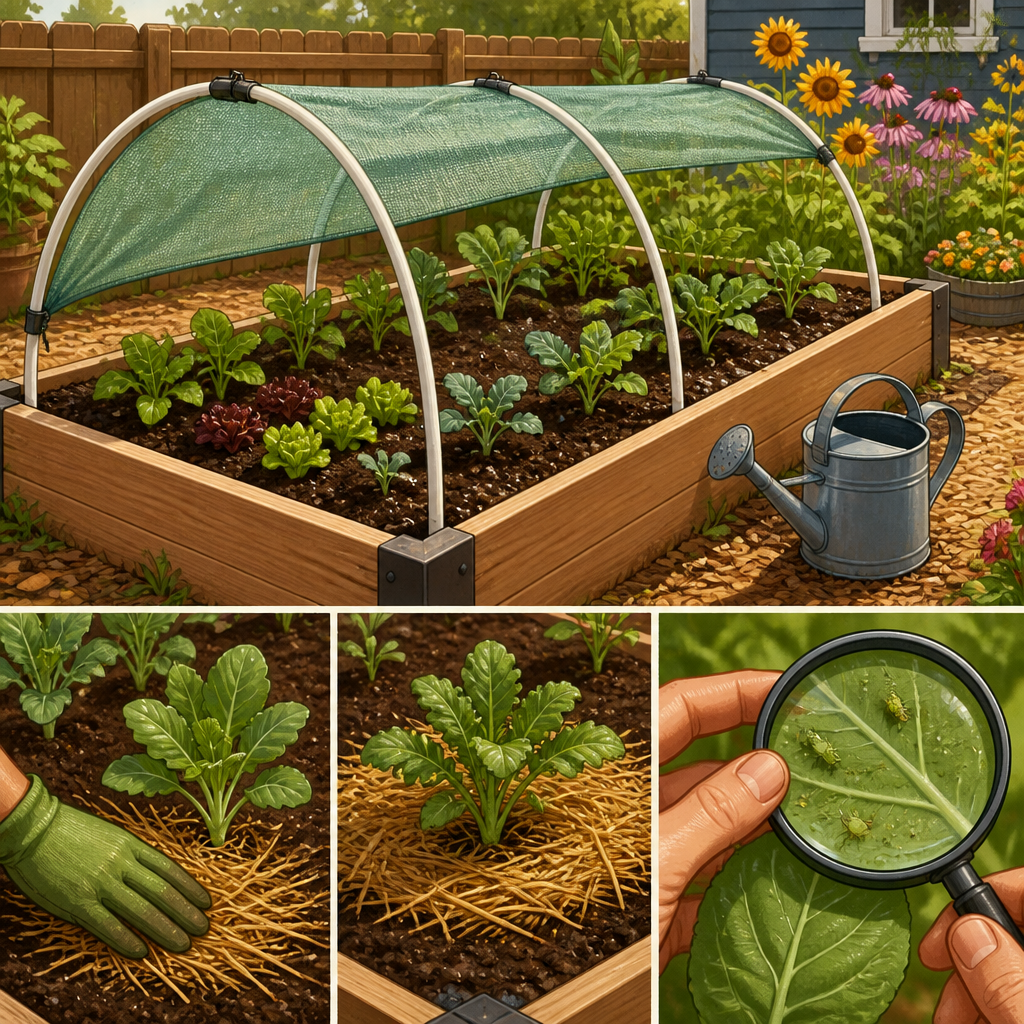
The hardest part of late-summer planting is not usually the planting itself. It is keeping small plants alive through hot afternoons, dry wind, and hungry insects.Use shade cloth when the sun is too muchShade cloth can make the difference between a seed row that cooks and one that germinates. Use it during the hottest part of the day, especially for lettuce, spinach, and tender transplants. The goal is filtered light, not darkness.
You can use hoops, stakes, clothespins, or whatever simple setup keeps the fabric off the seedlings. Remove or reduce shade once plants are established and the weather cools.Mulch after seedlings are upA thin mulch layer helps hold moisture and keeps the soil surface from baking. Straw, shredded leaves, dried grass clippings from an untreated lawn, or fine wood chips can all work if used lightly.
For tiny seeds, wait until the seedlings are visible before mulching close to the row. Heavy mulch can block small sprouts or invite slug trouble in damp weather.Watch pests earlyLate summer can bring flea beetles, cabbage worms, grasshoppers, slugs, and other pests depending on your garden. Check the underside of leaves and look for chewing while plants are still small. Hand-picking, barriers, and lightweight row cover can help, but be careful with row cover during hot spells because it can trap heat.
If you use any pesticide, even an organic-labeled one, read and follow the label for the exact crop, timing, and harvest interval. Local rules and pollinator safety matter.
A Simple Zone 5B Late-Summer Bed Plan
Here is a practical example for one 4-by-8 raised bed after early potatoes, peas, onions, or tired summer greens come out.Back row: Kale transplants or quick kale seedings, spaced so they have room into fall.Middle row: Bush beans only if your frost timing still gives them a fair shot.Front rows: Radishes, lettuce, and spinach in short successions every 7 to 10 days while weather allows.Corners or edges: Cilantro, dill, parsley, or basil, matched to the season. Keep basil in the warmest spot and expect cold to finish it.If the weather is hot, shade the lettuce and spinach area first. If the forecast turns dry, prioritize steady watering over adding more fertilizer. Most late-summer failures come from heat, dryness, frost timing, or pests, not from a lack of complicated inputs.
Keep It Simple and Plant What Makes Sense
Preparing a raised bed for late-summer planting does not need to be expensive or fussy. Clear out what is finished, leave healthy roots or soft organic matter where it helps, add a modest amount of compost, water deeply, and choose crops that match the time you have left.
Some plantings will thrive, some will limp along, and some may lose the race with heat or frost. That is normal. The win is getting more food, more practice, and a healthier bed heading into fall.
If you garden in Zone 5B, keep your local frost date, your watering routine, and your real-life schedule in the plan. A simple bed you can actually care for will beat a perfect plan you cannot keep up with.
Continue with the Complete Garden Guide Zone 5B | https://finklecraft.com/complete-garden-guide-zone-5b/ | Placement: conclusion | Section: conclusion